Best Time to Visit Antelope Canyon 2026: Month by Month
The canyon changes character by month and by hour. Beams run a seven-month window, monsoons cancel summer afternoons, and winter trades light for solitude. Here is the calendar.
 Written with Daniel Begay, Navajo guide & Southwest canyon specialist
Short answer
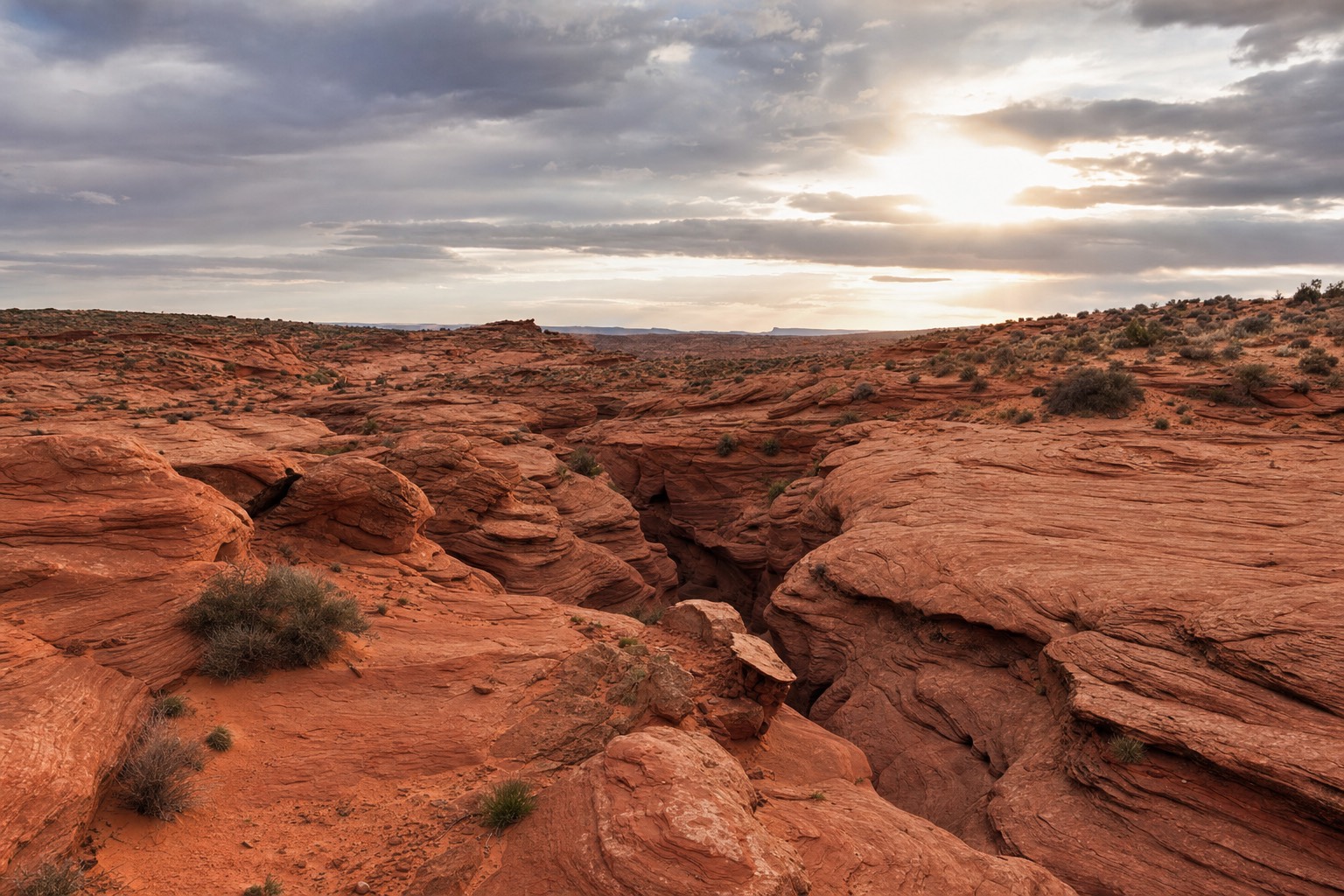
For the famous light beams, visit late March through mid October and book a midday Upper Antelope slot. For fewer crowds at lower prices, aim for November through early March and accept glowing walls instead of beams. The riskiest window is mid June through September, when monsoon storms cancel tours.
Out here we plan around the sun and the monsoon, not the school calendar. I guide on Navajo land in Monument Valley, two hours east of Page, and the weather that shapes my season shapes Antelope Canyon's the same way: high sun makes the magic light, summer storms cancel afternoons with no apology, winter empties the trucks. For this guide I lined up the beam calendar, the monsoon record, and the sell-out patterns from recent visitor reports into one honest month-by-month answer.
What is the best month to go to Antelope Canyon?
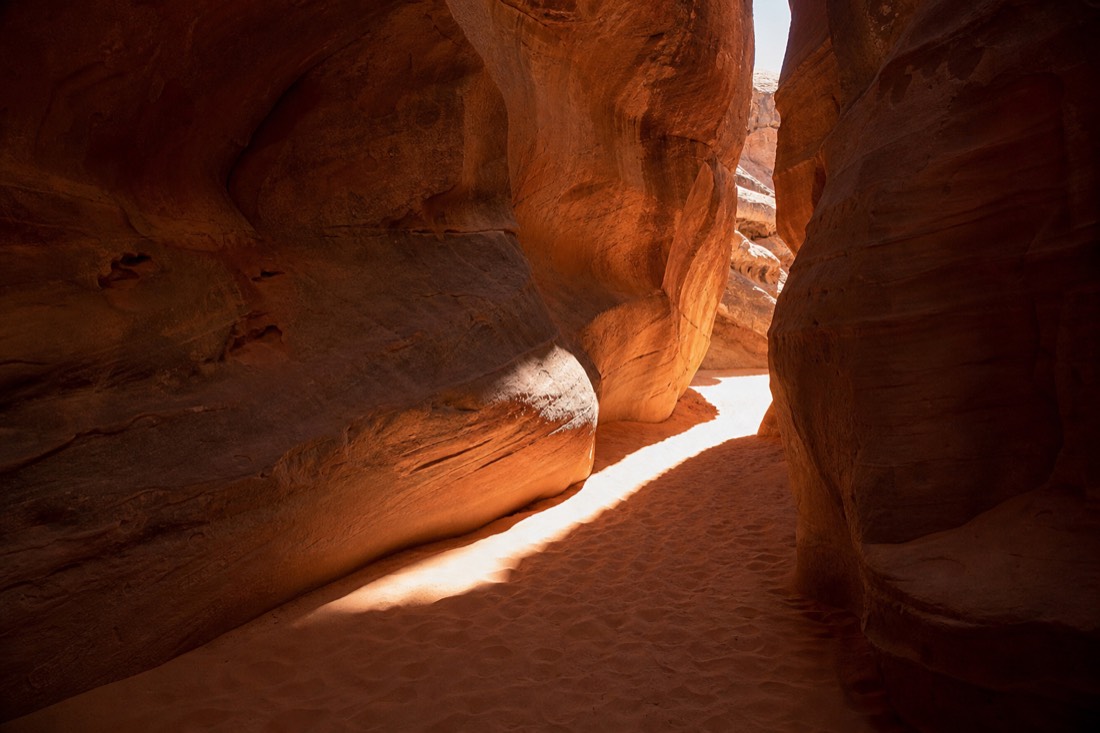
April, May, and early October are the sweet spots: full beam season in Upper Antelope, softer heat than midsummer, and less monsoon cancellation risk than July through September. June through September delivers the strongest beams but stacks peak crowds, desert heat, and daily flash-flood watch on top of each other.
The beam window drives everything, and it is a physics fact, not a marketing line: vertical light beams form only in Upper Antelope, only from roughly late March to mid October, and only around midday. Peak visitation runs May through September, so the edges of beam season buy you the light without the worst of the crush. If beams are the whole point of your trip, the light beams guide covers the exact timing and the honesty about clouds. If you have not chosen a canyon yet, settle that first in the Upper vs Lower comparison, because Lower and Canyon X care much less about the calendar.
What does each month actually look like?
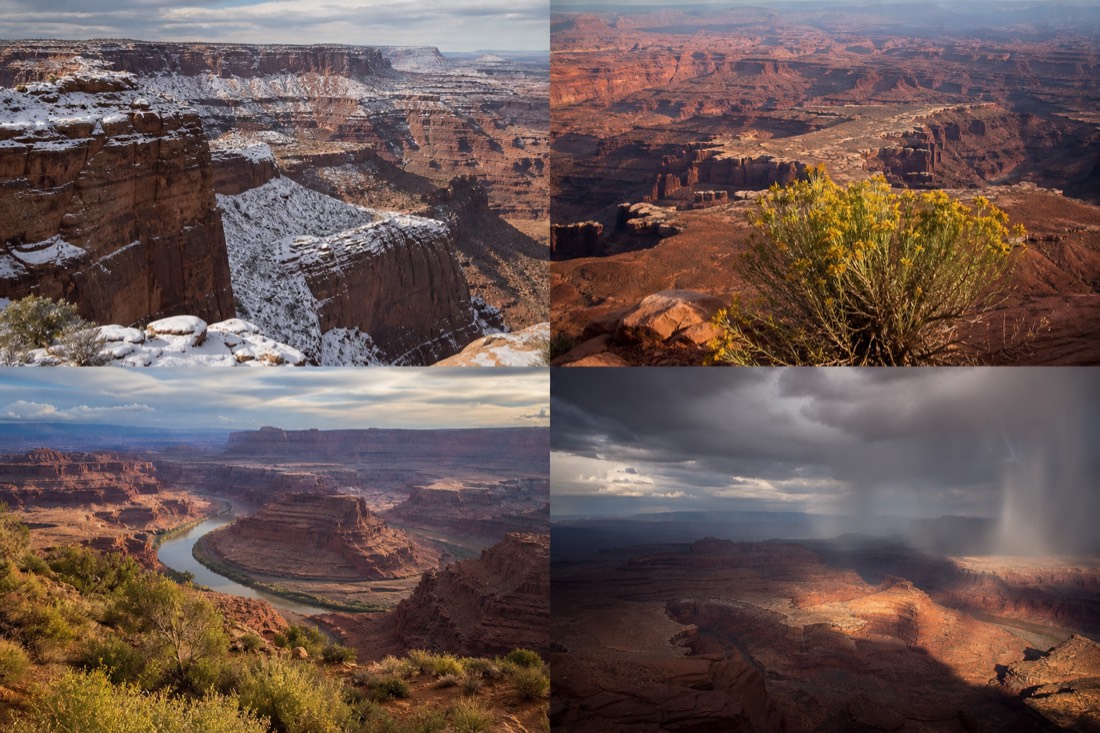
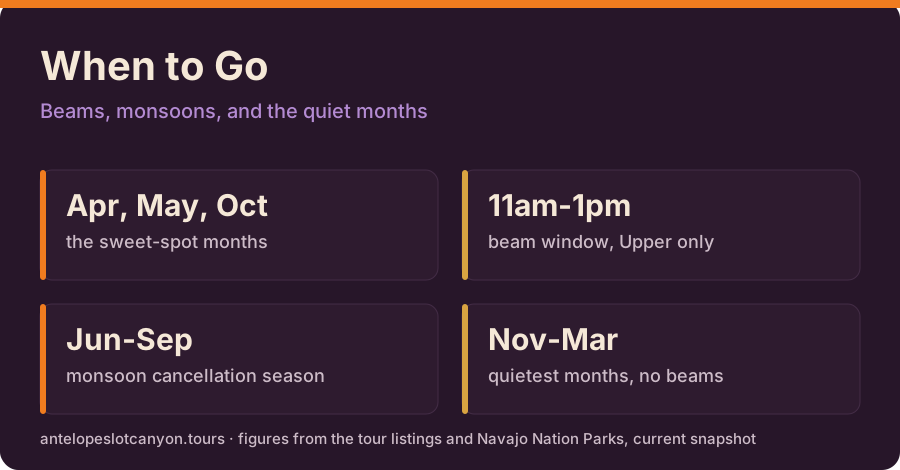
Think in four blocks: winter (November to mid March) means no beams, low crowds, cold mornings. Spring (late March to May) opens beam season with building crowds. Summer (June to September) is peak beams, peak heat, peak people, and monsoon risk. Early October closes the beam window before the quiet returns.
| Months | Light beams (Upper) | Crowds | Weather reality |
|---|---|---|---|
| November to mid March | None | Lowest of the year | Cold mornings, soft low-angle light |
| Late March to April | Season opens | Building | Mild, spring winds possible |
| May | Strong | High, peak season begins | Warm and mostly dry |
| June | Peak strength | Very high | Heat climbs; monsoon pattern starts mid month |
| July to August | Peak strength | Highest | Monsoon storms, real cancellation risk |
| September | Strong | High | Monsoon tapering through the month |
| Early to mid October | Last beams | Easing | Pleasant, the closing sweet spot |
| Late October | None | Moderate | Shoulder calm returns |
Arizona's own tourism guidance says the same thing in fewer words: go midday for light, book far ahead, and respect that this is a guided tribal park site, not a drop-in stop.
When should you not go to Antelope Canyon?
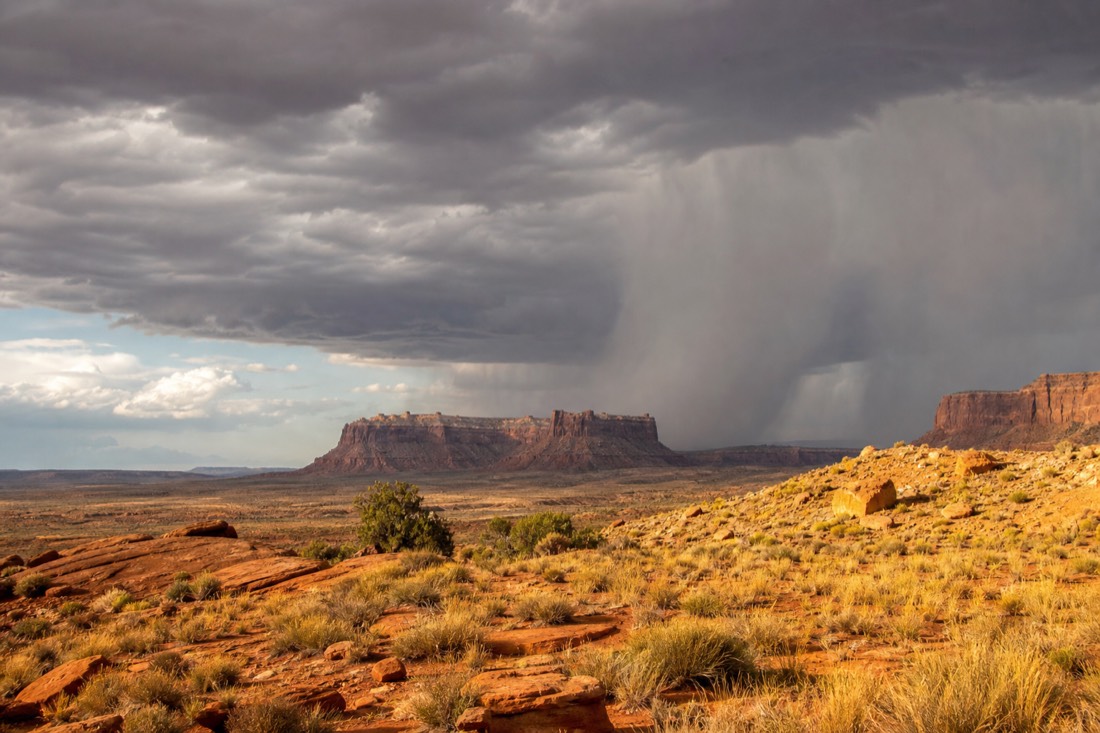
There is no bad month, but there are bad bets. A cloudy or stormy forecast in monsoon season, mid June through September, is the worst: beams need clear sky and operators cancel on flash-flood risk, sometimes mid-day. Mid-October through mid-March is only wrong if the beam photo is your one goal.
The monsoon deserves respect rather than fear. Storms miles upstream can flood a slot under blue local sky, which is why the guided system watches radar and pulls tours; this past June the National Weather Service issued an urgent warning to clear Antelope and nearby slots entirely. Cancellation refunds follow the exact booked terms, and the full safety story sits in our flash floods guide. The other timing to avoid is subtler: holiday weekends compress everything, and midday summer slots carry the heaviest foot traffic of the year. If your dates land there anyway, book the loosest cancellation policy you can find and keep a Plan B morning.
Morning or afternoon: which time slot should you book?
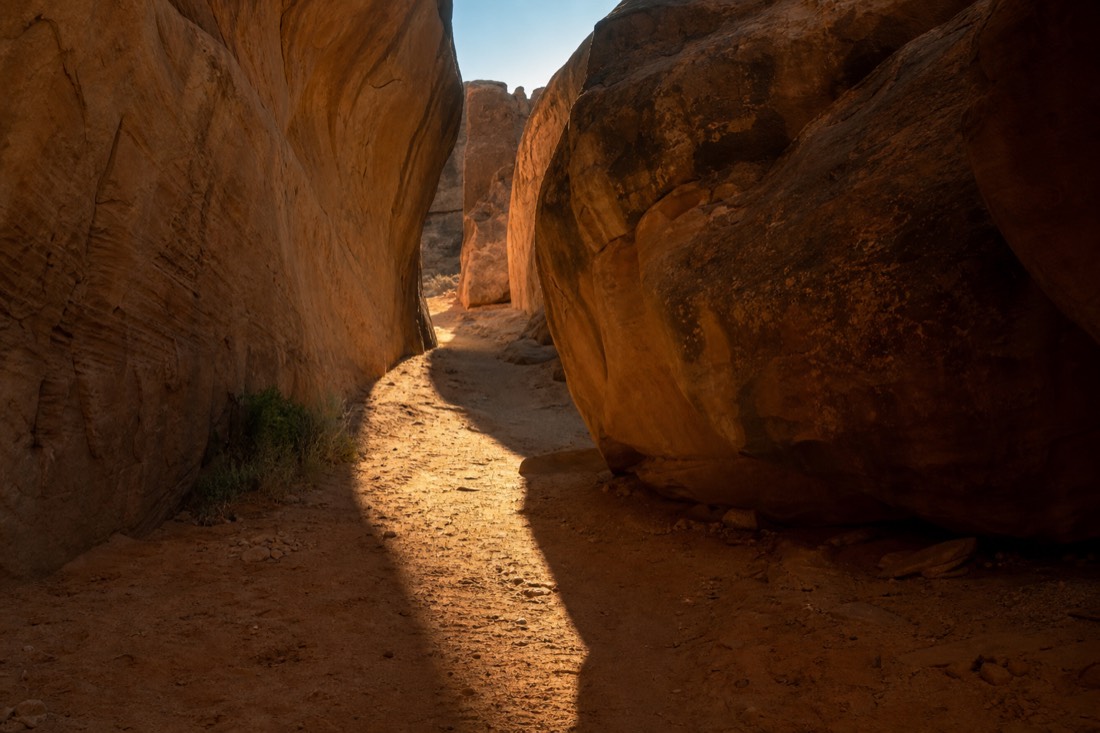
For Upper in beam season, midday is non-negotiable: roughly 11am to 1pm is when the sun stands high enough to drop beams to the floor. For Lower, Canyon X, and all of winter, take the first morning slot. Recent reviews are unanimous that the day's first departures carry the fewest people.
| Section | Best slot | Why |
|---|---|---|
| Upper, in beam season | Midday, 11am to 1pm | The only window when beams reach the floor |
| Upper, off season | First morning slot | No beams anyway, so take the empty canyon |
| Lower | First morning, or mid afternoon | Reflected glow works all day; mornings are quietest |
| Canyon X | First morning | Quietest section made quieter |
| Any section, monsoon weeks | Morning | Storms build in the afternoon; morning tours cancel least |
One clock warning that bites real bookings: Page stays on Mountain Standard Time all year, while the surrounding Navajo Nation observes daylight saving. In summer the two disagree by an hour, so confirm with your operator which time your ticket means. For the beam play itself, book the midday Upper Antelope entry and check live availability and prices on Viator; the permit rides included, and note the strict refund rule, cancellations five or more days out.
How far ahead do tours sell out?
Midday Upper slots in July sell out months in advance, and morning Upper slots go last. As a working rule: book summer beam slots two to three months out, any summer tour three to six weeks out, and shoulder or winter dates one to two weeks out. Walk-ups rarely succeed in any season.
| What you want | Realistic booking lead |
|---|---|
| Upper, midday, June to August | Months ahead; this inventory vanishes first |
| Upper, morning, summer | Latest-selling Upper slots, weeks ahead |
| Lower, summer weekend | Three to six weeks |
| Canyon X, summer | Shortest peak-season leads of the three sections |
| Any section, November to March | Days to two weeks, weekdays easiest |
The pressure is structural: a small gateway town hosting over five million visitors a year, feeding slots that admit small escorted groups on the official operator system. Capacity cannot stretch, so the calendar does the rationing. Budget-wise, booking early also beats scrapping over leftover premium slots; the full money picture is in the tickets and prices guide.
Is winter at Antelope Canyon worth it?
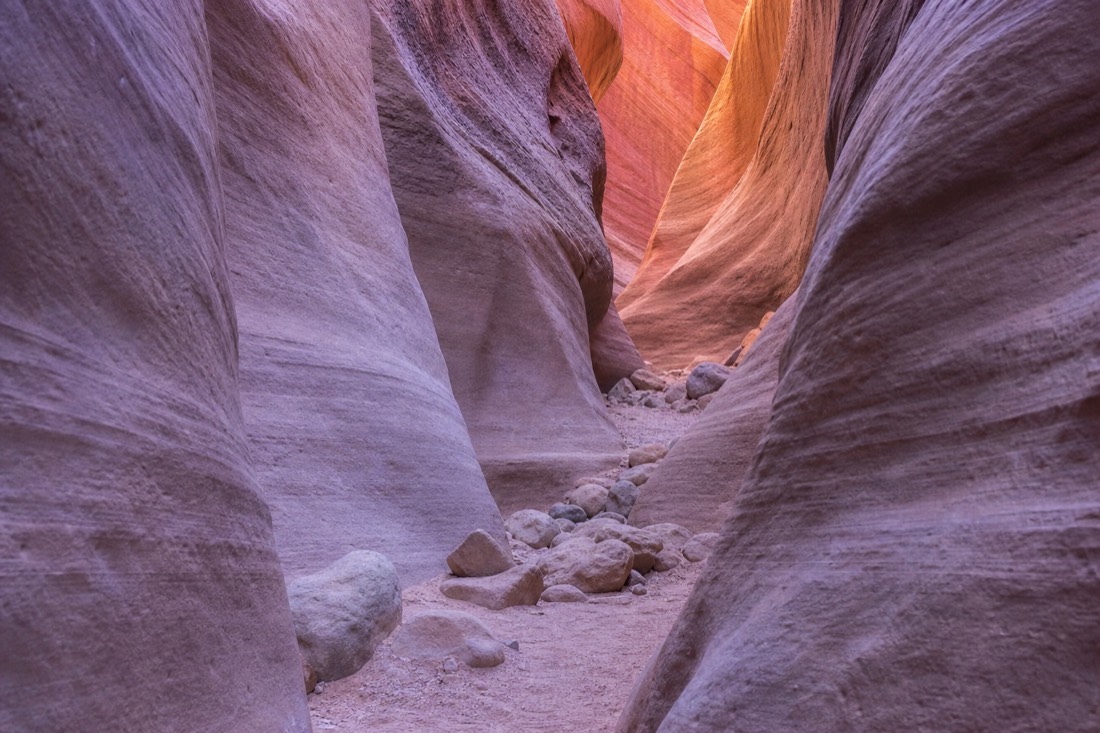
Yes, if you value the canyon over the beam. Winter brings the year's smallest crowds, easier booking, cold clear mornings, and a softer palette of purples and muted orange on the walls. What you give up is the vertical beam, gone from roughly mid October to late March, and the warm midday glow of high summer sun.
I will make the guide's case for the cold months: a slot canyon is a place of quiet, and winter is the only season the quiet survives the tour schedule. Photographers still eat well, since low-angle light bounces subtler color down the walls, and phone cameras handle the dimmer scenes better every year. Layer up, because mornings on this plateau are genuinely cold and the canyon holds shade. Book the late-morning slots for the brightest winter light, and spend the saved money on an extra night in Page; the out-of-season town is a far friendlier base than the town in July.
Which weeks sit on the season edges, and are they worth it?
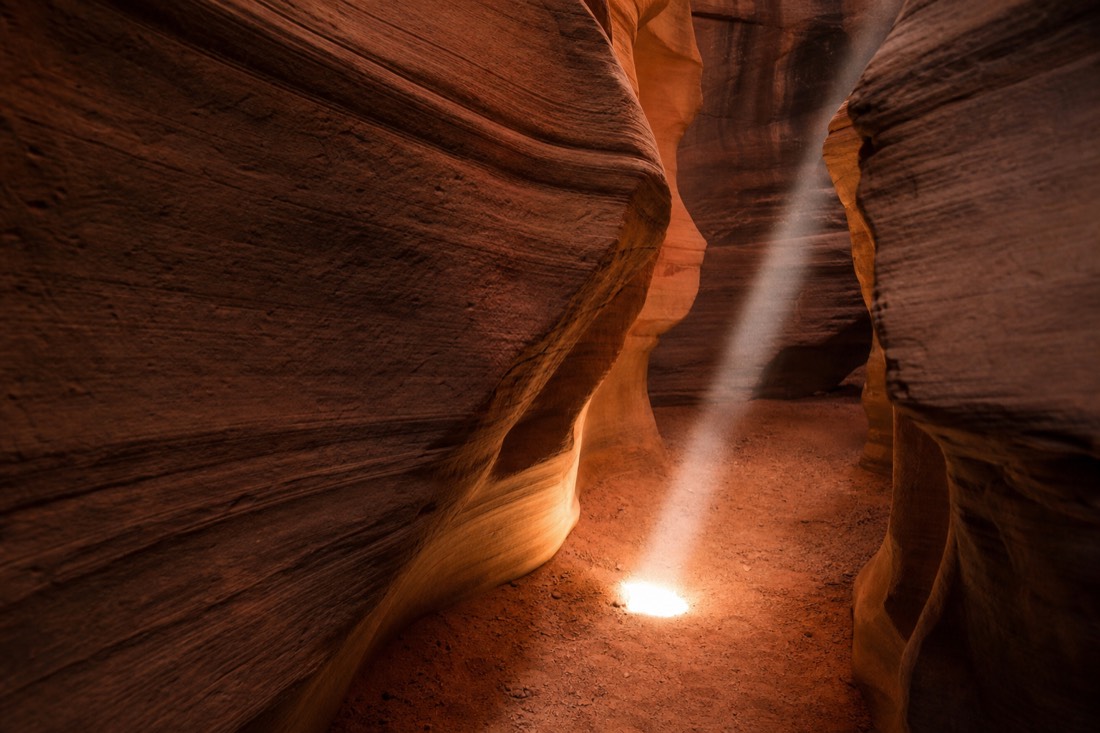
Four edges matter: the last week of March into early April, when the first thin beams appear; mid June, when the monsoon pattern starts; the end of September, when it tapers; and early to mid October, when the last beams fade. The spring and fall edges are the value weeks, beams without peak crowds.
The month table earlier in this guide is honest but blunt, and the money is made or lost in the weeks where one season hands off to the next. Operator guidance opens beam season around the last days of March or the first of April, and the first columns are thin, brief, and closer to true noon than the wide summer window. That is a feature if you want the beam without the July crush. Mid June is the next edge, and it is a hard one on Navajo land: Ken's Tours frames the monsoon at roughly June 15 through the end of September, and from that point afternoon storms upstream can cancel a tour under a blue local sky. The tail of September is softer, storms tapering, crowds easing, beams still strong. Then early to mid October closes the beam window with the same thin, brief columns that opened it, and the plateau turns pleasant. If I had to name the two best weeks of the year for a first-timer, they are the second week of April and the first week of October, and the shoulder plan below builds a trip around exactly those. For the physics behind why the edges are thin, the light beams guide explains the sun angle.
| Season edge | Approximate dates | What changes | Book it if |
|---|---|---|---|
| Beam season opens | Last week of March into early April | First thin, brief midday beams in Upper; crowds still building | You want a beam without peak crowds and can accept a thinner column |
| Monsoon pattern begins | Around mid June | Afternoon storm risk starts; operators cancel on flash-flood watch, sometimes mid-day | You are already committed to summer; book mornings and loose cancellation |
| Monsoon tapers | Late September into the end of the month | Storm risk eases, beams still strong, crowds thinning | You want the strongest beam with the smallest monsoon gamble |
| Beam season closes | Early to mid October | Last thin beams, then wall glow only; shoulder calm | You want beams and quiet in the same trip |
| Winter floor | Late October onward | No beams, lowest crowds, easiest booking, cold mornings | The canyon itself, not the beam, is the goal |
How do crowds and prices trade off across the year?
Crowds and prices move together, and both peak on midday Upper departures from June through August, the inventory that sells out months ahead. Morning Upper in summer costs less and sells last. Lower and Canyon X flatten the curve. Winter is the floor for both, with the beam as the price of the discount.
Prices can vary independently of crowd levels, and that makes the trade-off unusually clean. Demand pricing on the platform listings tracks the same calendar the tour trucks do. The most fought-over ticket in Page is a midday Upper departure in July: peak beam, peak heat, peak people, and the highest effective price of the year, sold out months out. One step down, morning Upper in the same months carries fewer people, sells last, and runs cheaper on some calendars, at the cost of the beam. Lower and Canyon X are the pressure valves. Their light works all day, so they price by season rather than by hour, and Canyon X carries the shortest peak-season leads of the three sections. Then winter, where every line drops together: thin crowds, easy booking, the cheapest dates, and no beam from roughly mid October to late March. Recent operator pricing puts Lower around 60 to 85 and Upper 90 to 120 before the 15 dollar permit; the live number for your date is on the listing, and the tickets guide walks through what moves it. As a rule I give guests: decide what you will not compromise on, the beam or the quiet, and let the calendar price the other.
| Demand tier | Example | Crowd level | Price pressure | Beam odds |
|---|---|---|---|---|
| Highest | Upper, 11am to 1pm, June to August | Heaviest of the year | Top of the band; sells out months ahead | Peak, weather permitting |
| High | Upper midday, April, May, September, early October | Busy | Upper band, more availability | Strong |
| Middle | Upper morning in summer; Lower or Canyon X in summer | Moderate to busy | Cheaper on some calendars; sells last on Upper | None on morning Upper; glow only on Lower and X |
| Low | Lower or Canyon X, first slot, shoulder months | Light | Toward the bottom of the band | Not the point of these sections |
| Floor | Any section, November to early March, weekday | Lightest of the year | Cheapest dates, easiest booking | None anywhere |
What does a shoulder-week plan look like in practice?
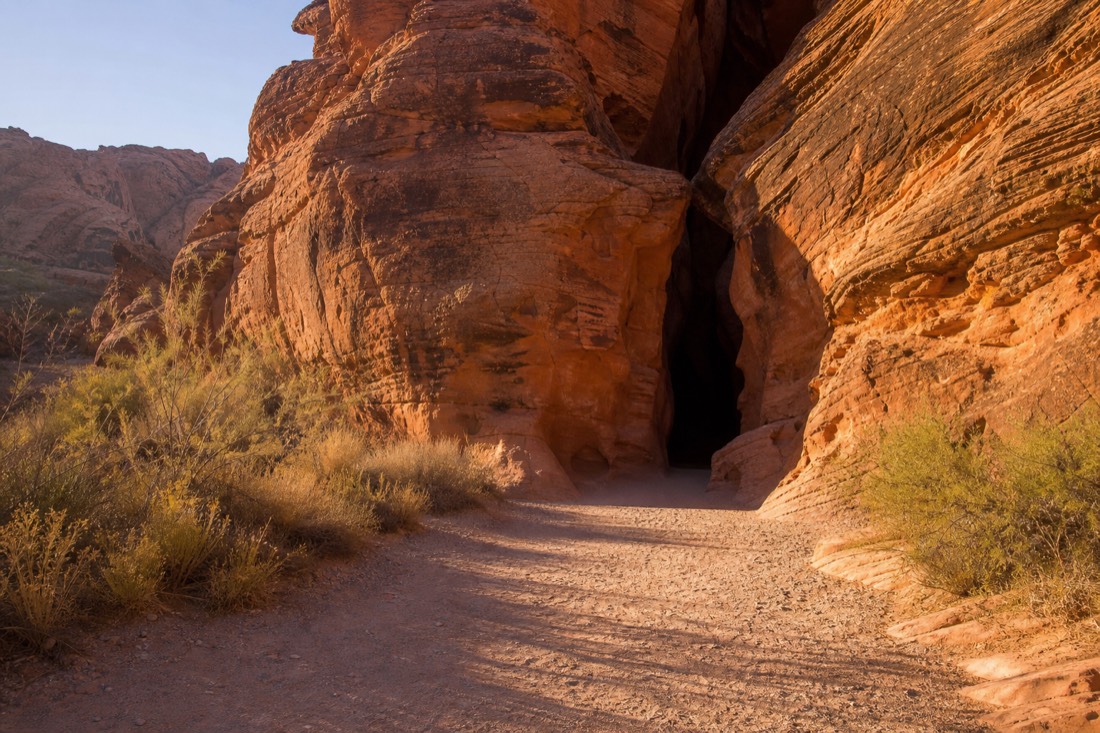
Two nights in Page in the second week of April or the first week of October. Day one: first-slot Lower, then Horseshoe Bend at golden hour. Day two: midday Upper for the beam, with Canyon X held in reserve as plan B if the forecast turns. Book several weeks out and that lead usually holds every slot open.
Here is how I would build it for a guest with two days and one shot. Sleep in Page, because both canyon entrances are minutes off Highway 98 east of town and the both-canyons rhythm collapses if you commute in from Flagstaff or Sedona. Day one takes the section that does not care about the clock. A first-slot Lower departure gives you the emptiest version of the V-slot; the walk is about an hour and you are out before the lots fill. Spend the middle of the day on Lake Powell or in town, then take Horseshoe Bend late, when the light softens and the city lot thins. Day two is the beam day, and it is the reason the trip sits in a shoulder week: an 11am to 1pm Upper slot in April or early October delivers the column with far fewer people than July, and without the daily monsoon gamble. Watch the forecast the night before. If cloud is coming, Canyon X is the quiet, cheaper consolation and the section most likely to have space on shorter notice. For the Lower morning, book the Lower Antelope Canyon walk and check live availability and prices on GetYourGuide; the one day in Page post has the compressed single-day version.
| When | Plan | Why this order |
|---|---|---|
| Day 1, first morning slot | Lower Antelope with a Navajo guide | Emptiest hour in the V-slot; light works all day, so mornings cost nothing |
| Day 1, midday | Lake Powell shoreline or lunch in Page | Rest the legs; nothing beam-dependent today |
| Day 1, late afternoon | Horseshoe Bend overlook | Softer light, thinner lot; city parking fee, no guide |
| Day 2, 11am to 1pm | Upper Antelope, midday departure | The beam window, in a week with beams and thin crowds |
| Day 2, if the forecast turns | Canyon X | Quiet, cheaper, shortest lead of the three sections |
| Both days | Confirm the ticket clock | Page skips daylight saving; the Navajo Nation observes it |
What should you pack for each season?
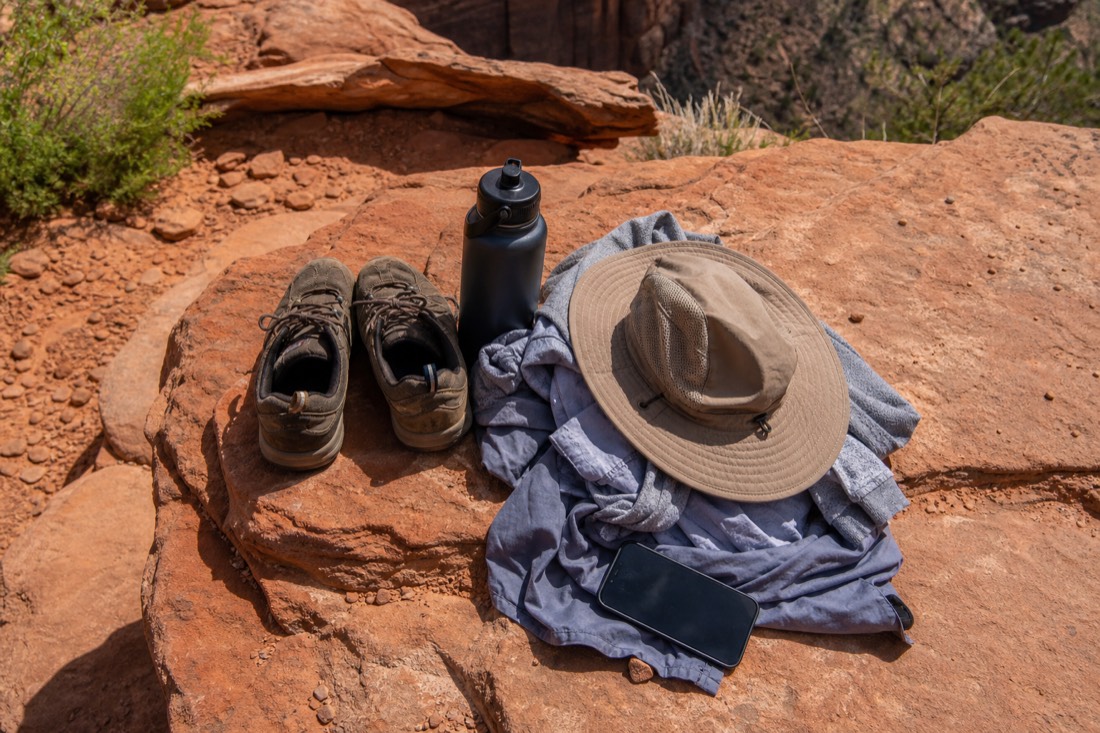
Every season: closed-toe shoes, a small bag or none, water, and a phone rather than a tripod, since standard sightseeing walks exclude tripods, monopods and selfie sticks; Canyon X’s photography option permits a tripod. Add layers and gloves for winter mornings, and sun cover plus extra water for summer check-in lots. Treat this as a planning list, not an operator rule.
The packing list is short because the tours are short, about an hour inside, and because the operators keep it that way. Guidance surfaced across the operators runs to closed-toe shoes and minimal bags, and the 2019 equipment rules took tripods, monopods, and selfie sticks out of the canyon for good, which simplified everyone's kit whether they liked it or not. Beyond that, the season sets the list. Winter mornings on this plateau are cold and the slots hold shade, so the people who enjoy December tours are the ones in real layers, hat and gloves included, who then strip a layer for the drive. Spring and fall are the easy months: a light jacket for the early departure, sun protection for the walk to the entrance, water. Summer moves the problem outside the canyon. Inside, the slots run cooler than the open desert; outside, at check-in and in the parking lot, you stand in full sun, so water and a hat matter more than anything you carry into the slot. Monsoon weeks add one more item, a flexible attitude, because the operator may cancel and the refund is standard. Our what to wear post goes deeper on footwear and bags.
| Item | Winter (November to March) | Spring and fall | Summer and monsoon | Why |
|---|---|---|---|---|
| Closed-toe shoes with grip | Yes | Yes | Yes | Sand, steel stairs at Lower, uneven slot floors |
| Bag | Small or none | Small or none | Small or none | Operators favor minimal bags in tight passages |
| Water | One bottle | One bottle | Extra, for the check-in wait | Heat sits in the lots, not the slot |
| Layers | Warm jacket, hat, gloves for mornings | Light jacket for first slots | Not needed inside; sun cover outside | Cold plateau mornings; shaded slots |
| Camera | Phone or handheld camera | Same | Same | Tripods, monopods, selfie sticks banned since 2019 |
| Cancellation flexibility | Rarely needed | Occasionally | Book the loosest window you can | Monsoon cancellations run mid June to September |
What is the single best month overall?
April or early October for most travelers: full beam season, milder heat, thinner crowds than midsummer, and far less monsoon risk than July or August. Pure beam hunters chasing maximum intensity still aim for the high-sun months of late May through July and accept the trade-offs.
Does rain ruin a trip even when tours run?
Clouds kill beams, and heavy regional rain cancels tours outright for flash-flood safety. But a dry overcast day still delivers the sculpted walls and rich color, and many visitors report loving the moodier light. Beams need sun; the canyon itself does not.
Is summer heat a problem inside the canyon?
Less than you would expect. The slots hold shade and run cooler than the open desert, and tours spend about an hour inside. The heat hits at check-in areas and parking, so summer visitors should carry water and cover the waiting-around parts of the day.
Do prices change by season?
Demand pricing moves with the calendar on the platform listings, and premium midday beam slots carry the highest effective prices. Winter dates book cheaper and easier. The live price for your date always sits on the listing.
Your next booking step
Upper Antelope with AACT
Have a travel date in mind? Upper’s beam corridor with a Navajo guide; fees and taxes included. Check the date before arranging the rest of this part of your trip.
General starting point — confirm the exact party and date
Select a date to load the Viator schedule. Availability and final price are confirmed on Viator.
Check dates for Upper Antelope with AACT
Adventurous Antelope Canyon Tours, Highway 98; arrive 30 minutes early. Return to the same base. Ages 8+; moderate fitness. Sandy walking and the outdoor stair/hill exit; no guaranteed beams. Not recommended during pregnancy or with spinal/cardiovascular conditions. Customer cancellation: full refund at least 24 hours before departure; reconfirm at checkout.
Compare routes, adjust your plan & budget
The best months for Antelope Canyon, when the light beams run, when monsoon cancellations bite, morning vs afternoon slots by section, and how far ahead tours sell out. These are different experiences, not interchangeable admission tickets. All listed guiding is in English.
Upper’s beam corridor with a Navajo guide; fees and taxes included. 80 minutes; English; from Page. Adventurous Antelope Canyon Tours, Highway 98; arrive 30 minutes early. Return to the same base. Ages 8+; moderate fitness. Sandy walking and the outdoor stair/hill exit; no guaranteed beams. Not recommended during pregnancy or with spinal/cardiovascular conditions. Customer cancellation: full refund at least 24 hours before departure; reconfirm at checkout.
A timed walk among Lower’s sculpted walls, with entry and the Navajo permit included. 60 minutes; English; from Page. Ken’s Tours, Lower entrance; arrive 30 minutes early. Return to the same site. Steel stairs and narrow passages; no bags or tripods. Not recommended during pregnancy or with spinal/cardiovascular conditions. Customer cancellation: full refund at least 24 hours before departure; reconfirm at checkout.
Two Canyon X sections on Taadidiin’s guided hiking route. Choose the hiking option. 90 minutes; English; from Page. Taadidiin Tours, Highway 98; arrive 30 minutes early, using Arizona/Phoenix time. Return to the same site. Steep access trail. Permit is listed as included but the API’s old fee amount conflicts with current operator information; confirm the final total. Guide service fee extra. No tripod on hiking option. Nonrefundable for customer cancellation on Viator; read the exact weather-cancellation terms.
Affiliate links: we may earn a commission at no extra cost to you. Schedule dates are not confirmed seats.