Antelope Canyon from Sedona: Day Trip Guide
Red rock to slot canyon in about three hours. Sedona is one of the most workable bases for an Antelope Canyon day trip, if you book the midday entry slot the drive demands. Here is the route, the timing and the honest trade-offs.
 Written with Daniel Begay, Navajo guide & Southwest canyon specialist
Short answer
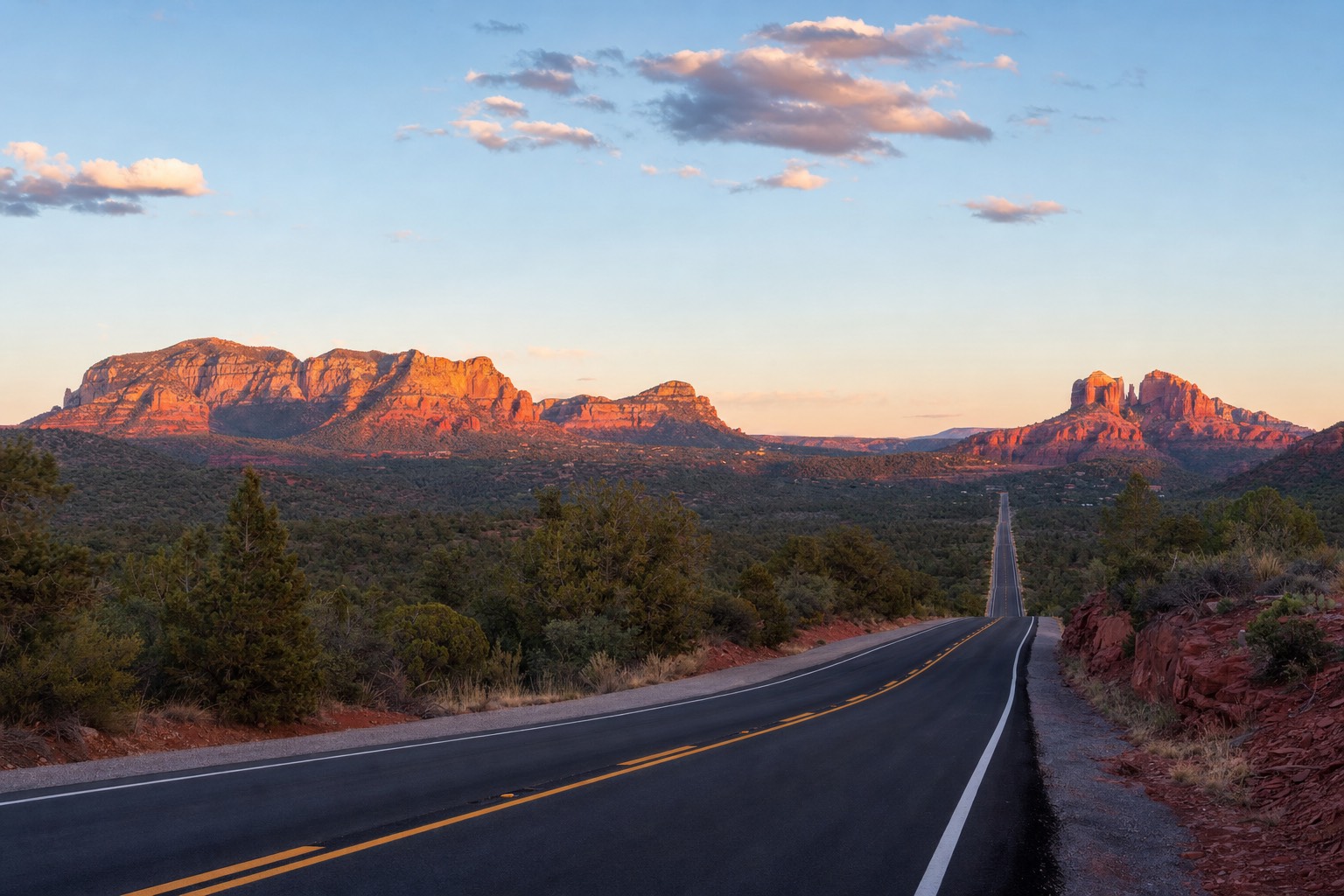
Yes, Antelope Canyon works as a Sedona day trip. The drive runs roughly three hours each way via Oak Creek Canyon or I-17 to Flagstaff, then US-89 north to Page. Book a late-morning or midday canyon slot, add Horseshoe Bend after, and you are back in Sedona for a late dinner.
Sedona travelers ask me about this pairing more than any other, and I understand why. You are already standing in red rock country, the canyon photos on your feed are about three driving hours farther north, and it feels wrong to come this far and skip them. My work as a guide is over in Monument Valley, but the roads north of Sedona are ones I have driven my whole life, and the honest news is good: this is the most comfortable big-name day trip Sedona has. It just has one non-negotiable, which is booking the canyon slot before you do anything else.
Is Antelope Canyon a day trip from Sedona?
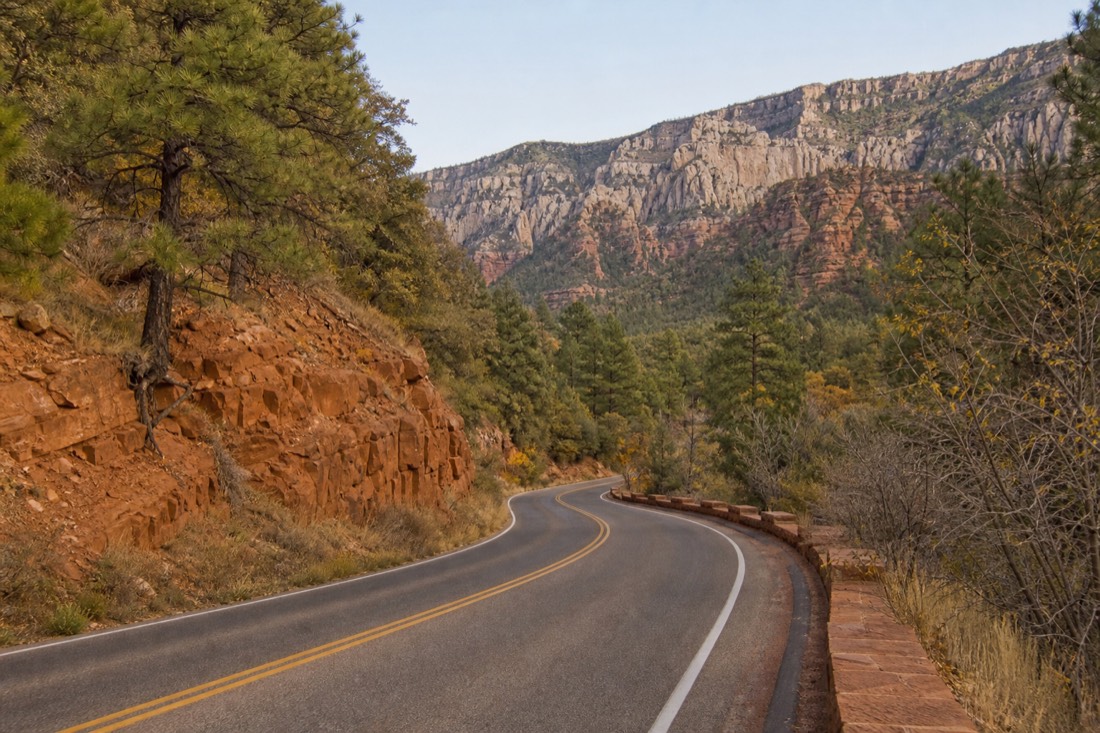
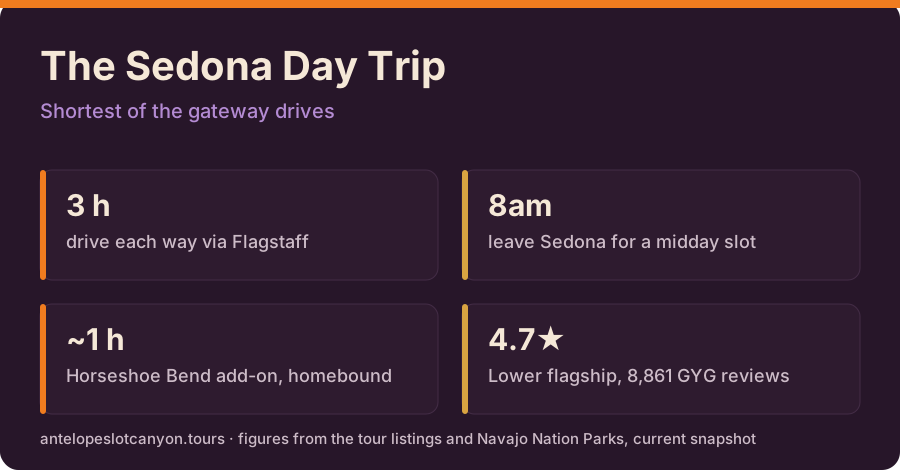
Yes, comfortably. Plan on roughly three hours each way, which makes it the shortest drive of the major gateway cities: about half the haul from Phoenix or Las Vegas. Leave Sedona by 8 a.m. for a midday canyon entry, and you are home around dinner without heroics.
Six-ish hours of round-trip driving is real, but it is a different animal from the nine-plus hours the Phoenix run demands. You can leave at a civilized hour, take the pretty road through Oak Creek Canyon, and still hold a comfortable buffer before your entry time.
The non-negotiable part: every section of the canyon is accessible only with an authorized Navajo guide and a booked entry time, under rules set by Navajo Nation Parks and Recreation. A $15 per person tribal permit rides along with every entry. There is no gate to roll up to, and midday slots in season are the first to sell out, with travelers reporting they book months ahead for peak dates. Lock the slot, then plan the drive around it.
One clock warning that bites Sedona day-trippers specifically: Sedona and Page both run Mountain Standard Time year-round, but the Navajo Nation, which surrounds Page, observes daylight saving. The checked Page-area canyon operators use Arizona/Phoenix time year-round; a nearby tower can still change your phone’s clock. Your booking confirmation is the truth; read it twice.
What is the best route from Sedona to Page?
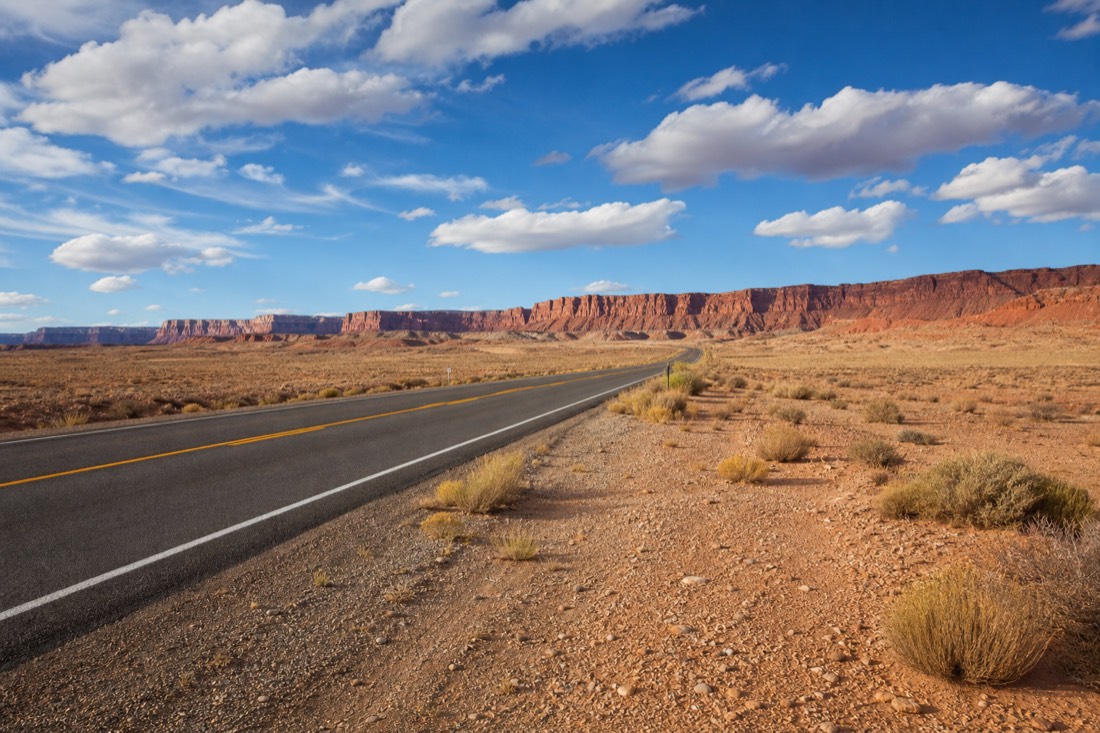
Take 89A north through Oak Creek Canyon to Flagstaff, then US-89 north past Cameron to Page. The Oak Creek stretch is slow and gorgeous; if it is jammed, I-17 from the Village of Oak Creek is the faster bypass. Fuel in Flagstaff, because services on US-89 are sparse.
The drive in stops:
| Leg | Time (rough) | Notes |
|---|---|---|
| Sedona to Flagstaff via 89A | 45-60 min | Switchbacks up Oak Creek Canyon, worth the slower pace |
| Flagstaff | 15 min stop | Fuel, coffee, last big-town services |
| Flagstaff to Cameron on US-89 | ~50 min | Open highway onto the Navajo Nation |
| Cameron Trading Post | Optional 15 min | Classic stop, frybread and a leg stretch |
| Cameron to Page | ~75 min | Long empty miles, Echo Cliffs on your right |
Two route notes from someone who drives Navajo Nation highways for a living. First, US-89 is a working road for reservation communities, not a scenic loop; watch for livestock near the roadway and hold your speed honest. Second, weather moves fast out here. In monsoon season, July into September, a storm you can see forty miles off can still flood a wash near you, and the same storms cancel canyon entries. Check the sky and your operator's messages before the final leg.
In winter the Oak Creek switchbacks and Flagstaff can carry snow while Sedona stays mild. The I-17 alternative deals with weather better, and US-89 north of Flagstaff is usually the easier half of the drive.
What time slot should you book to fit the drive?
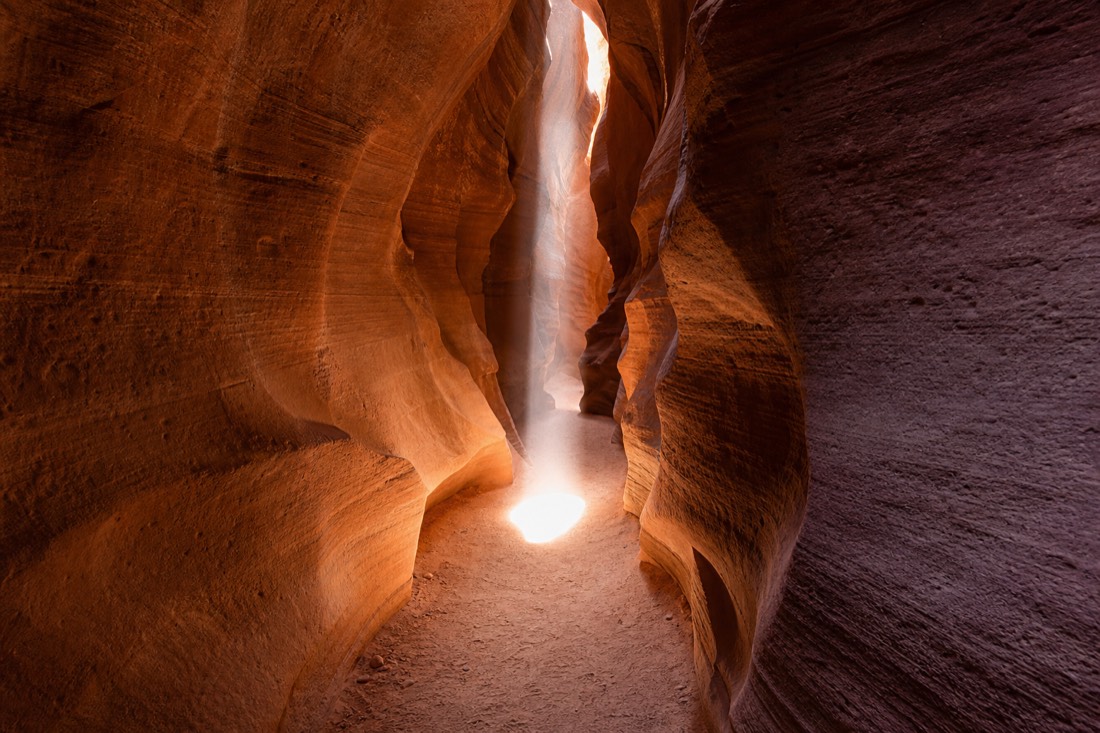
Book between 11 a.m. and 1:30 p.m. Page time. That window absorbs the three-hour drive with margin, and it happens to be the canyon's best light: overhead sun is what makes the walls glow, and in beam season the shafts in Upper Antelope appear in exactly this window.
This is the rare case where logistics and quality point at the same answer. A Sedona departure at 8 a.m. puts you in Page around 11 with time to check in, and midday is when the canyons light up. Late March through mid-October, the famous beams in Upper Antelope run on that midday sun, and even in Lower and Canyon X the colors are richest when the sun stands high.
A workable full-day timeline:
| Time (Page clock) | Move |
|---|---|
| 8:00 a.m. | Leave Sedona, fueled |
| 11:00 a.m. | Arrive Page, check in early |
| 12:00-1:30 p.m. | Navajo-guided canyon walk |
| 2:00 p.m. | Late lunch in Page |
| 3:00-4:00 p.m. | Horseshoe Bend overlook |
| 4:00-7:00 p.m. | Drive back to Sedona |
Groups move through steadily in season, with visitors describing parties of about 10-15 entering every several minutes at Upper, so the check-in deadline is enforced, not decorative. Arrive 45-60 minutes ahead. Since tripods and selfie sticks were banned back in 2019, everything is handheld and phones do genuinely well in the midday window, so pack light: it is one less thing at check-in.
Can you add Horseshoe Bend on the same day?
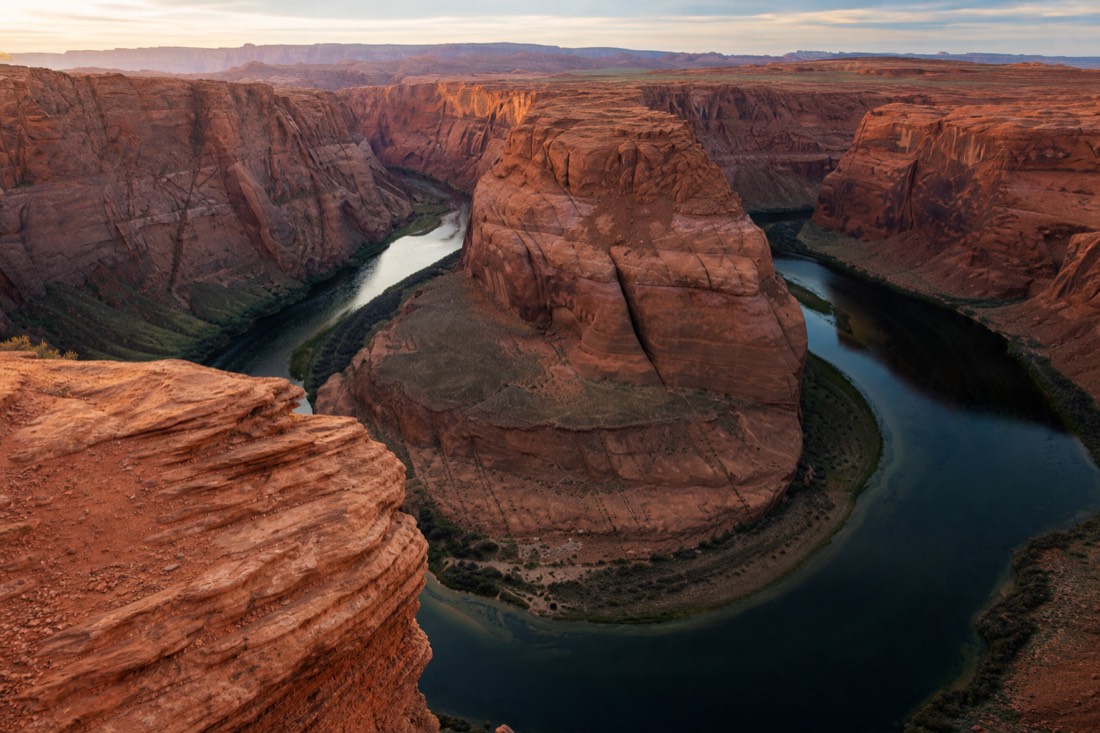
Yes, and you should. The overlook sits just south of Page, directly on your route home, with a city-managed parking fee and a short sandy walk from the lot. Budget about an hour total. Doing it after the canyon, on the way out of town, costs you almost no extra driving.
Horseshoe Bend is the easiest add-on in the Southwest because it requires nothing: no guide, no time slot, no booking. You pay the parking fee, walk out to the rim, look a long way down at the Colorado River making its famous turn, and walk back. The full Horseshoe Bend guide covers footing, shade and photo angles, but the short version is bring water and respect the edge.
Afternoon works fine for the view. The bend faces west-ish, so late light gets dramatic, though midsummer afternoons are hot on the exposed trail. If you have a little more slack in the day, the Glen Canyon Dam overlook north of the bend is free and takes fifteen minutes.
What I would not do from Sedona is try to stack a Lake Powell activity on the same day as the canyon and the bend. The kayak and boat side of Antelope Canyon is its own half-day, run on National Park Service water rather than with Navajo guides, and it deserves its own trip. Day-trippers who try to do all three arrive home late and remember none of it clearly.
Which canyon should Sedona day-trippers book?
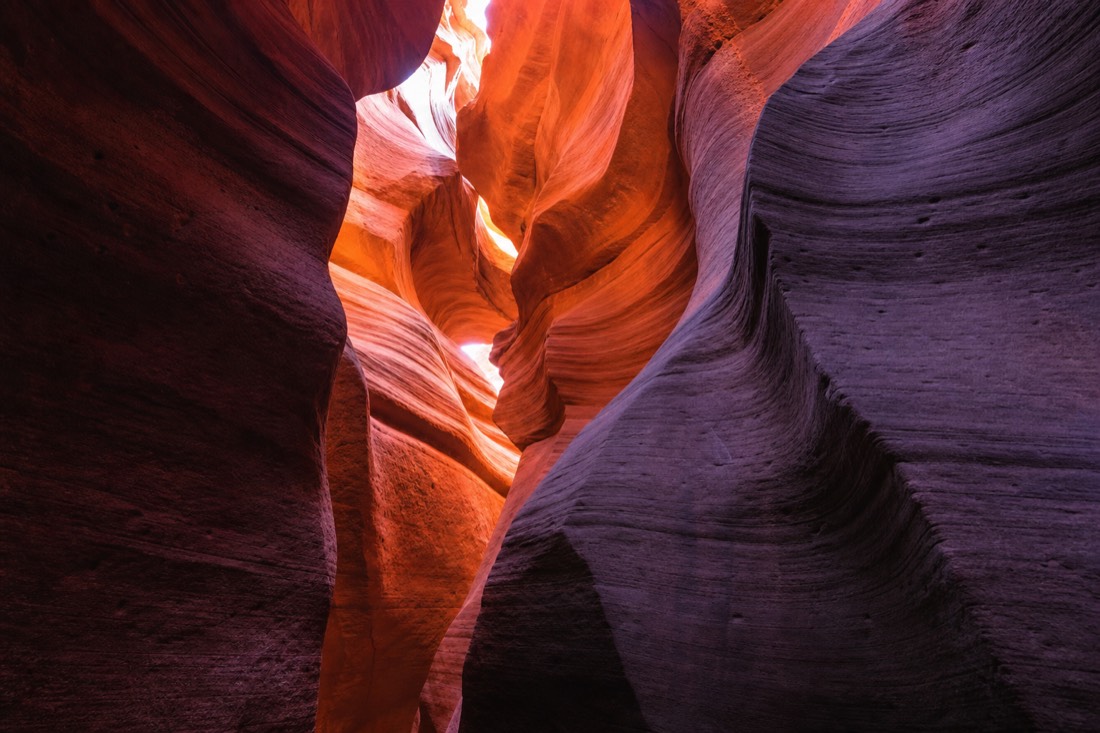
Lower Antelope Canyon for most people: the best balance of drama, duration and availability, with ladders that most visitors handle fine. Upper if the light beams are the whole point and you land a midday slot in season. Canyon X if crowds bother you more than fame does.
How the three stack up for this specific day trip:
| Pick | Why from Sedona | Watch out for |
|---|---|---|
| Lower Antelope | Most availability, about an hour inside, strongest reviews | Ladders and stairs, tight passages |
| Upper Antelope | The beam canyon, flat walking | AACT on Viator: 24 hours; other options vary |
| Canyon X | Quietest, budget-friendly | Fewer daily slots, less famous walls |
The numbers back the default. Lower's flagship entry holds 4.7 across 8,861 GetYourGuide reviews with a Top Rated badge, and the same walk on Viator sits at 4.9 across 7,298. The full comparison guide argues the three-way choice properly, but if you want the short answer for a Sedona day trip, book the Lower Antelope Canyon walk and check live availability and prices on GetYourGuide. Midday slot, three-hour drive each side, done.
Canyon X earns a real mention for one type of traveler. Reddit threads keep repeating the same line, that it delivers most of the experience with a fraction of the crowd, and its current listing holds 4.7 across 4,413 GetYourGuide reviews. If you visited slot canyons before, or the idea of timed groups grates on you, that is your booking.
What are the gotchas Sedona travelers hit?
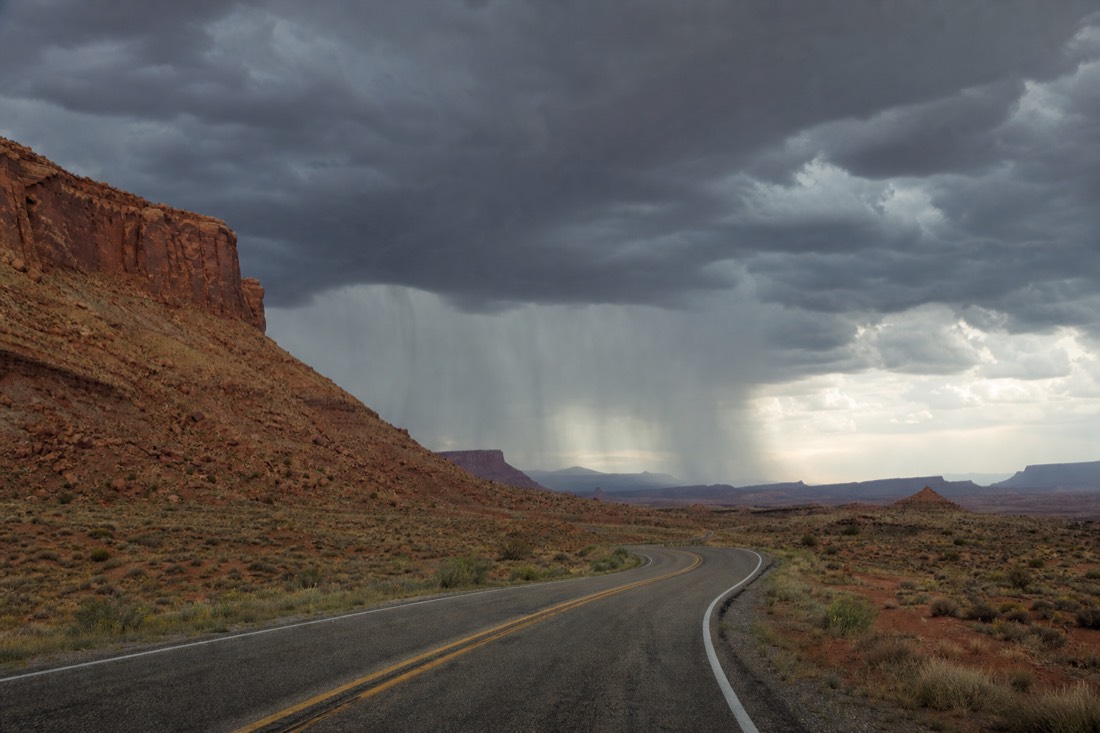
Three, in order of damage: booking too late for midday slots, trusting a phone clock near the Navajo Nation time-zone line, and monsoon-season cancellations between July and September. All three are survivable with the same medicine, which is booking early and reading the operator's instructions word for word.
The booking one is the heartbreaker. People plan the whole Sedona day, then discover every midday entry for their date sold out weeks ago. In peak months, treat canyon availability as the scarce resource and your drive as the flexible one.
The monsoon one is nobody's fault. When the National Weather Service posts a flash-flood watch, operators cancel, sometimes mid-day, and they are right to: these canyons flood from storms miles upstream, and the 1997 tragedy in Lower Antelope, where 11 people died, is why nobody gambles anymore. Refunds depend on the booked product’s cancellation terms; transport packages can refund only the canyon portion. Keep a loose grip on summer plans and have a Page backup like the dam overlook or lunch by Lake Powell.
Arizona's tourism office keeps a good plain-language primer on visiting the canyon respectfully, worth five minutes before you go: this is a sacred place on Navajo land, not a theme park, and the guides you will walk with grew up with these canyons.
When should you leave Sedona for each type of canyon slot?
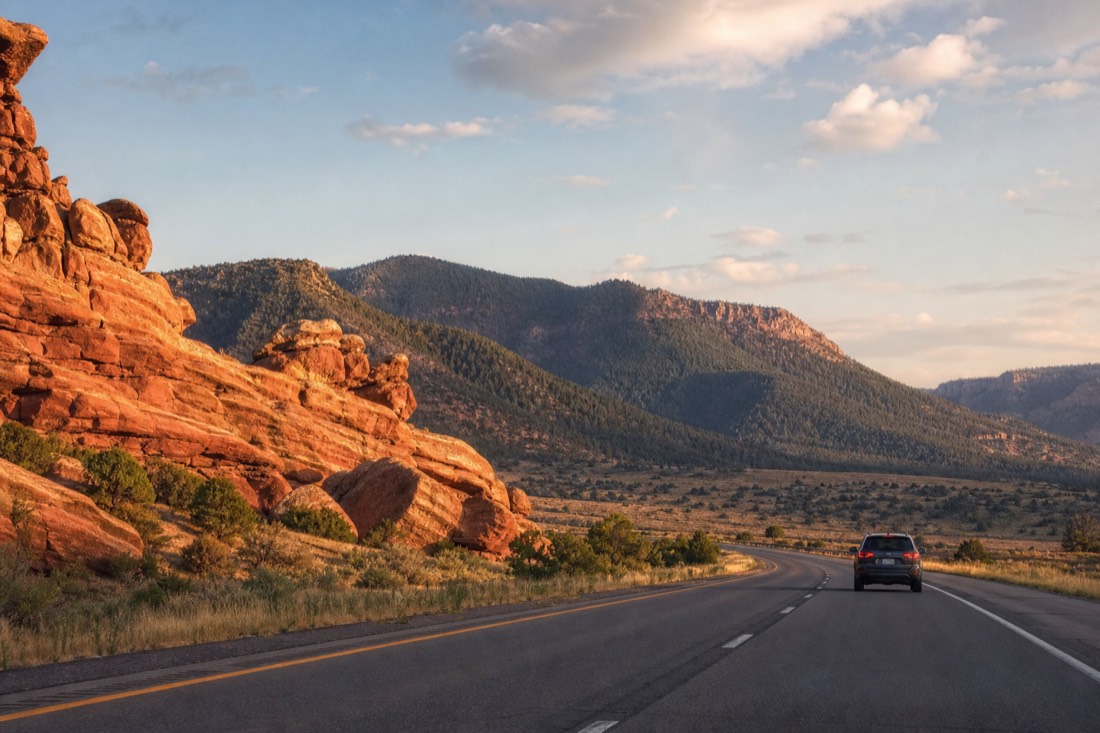
Work backwards from the entry time: three hours of driving, plus 45-60 minutes for check-in, plus a stop in Flagstaff. A midday slot means leaving Sedona around 8 a.m. An early-morning slot means a pre-dawn start and skipping the Oak Creek scenery. An afternoon slot means driving home in the dark outside high summer.
The midday timeline earlier in this guide is the default. This table is for everyone whose midday sold out, or who wants the calmer morning window travelers keep praising, or who can only get an afternoon entry. Each slot type reshapes the whole day.
| Slot type (Page clock) | Leave Sedona by | What the day looks like |
|---|---|---|
| Early morning, roughly 8-9 a.m. | 4:30-5:30 a.m. | Dark drive, take I-17 rather than the switchbacks; calmest canyon; home by mid-afternoon |
| Late morning, roughly 10-11 a.m. | 6:30-7:30 a.m. | Sunrise on 89A, good light inside, Horseshoe Bend after lunch |
| Midday, roughly 12-1:30 p.m. | 8-9 a.m. | The beam window at Upper in season; the standard plan in this guide |
| Afternoon, roughly 2-3 p.m. | 10-11 a.m. | Relaxed start; Horseshoe Bend before the canyon; return in the dark outside high summer |
One duration wrinkle changes the math slightly by section. The Lower and Canyon X walks run about an hour; the Upper listing on GetYourGuide is quoted at 75-160 minutes depending on the departure, and the Viator version at about an hour twenty. Add the longer figure to your afternoon planning if Upper is the booking.
The morning row deserves a word, because it is the one Sedona travelers dismiss and then wish they had taken. Recent reviews and forum threads are consistent: the first entries of the day are the calmest inside, and they are the last to sell out, which makes them the easiest slot to find on short notice. The price is a dark, unlovely drive out of Sedona and no Oak Creek views. If crowds bother you more than the scenery on the way does, that is a fair trade. Sleep in the Village of Oak Creek side of town the night before and the I-17 on-ramp is minutes away.
Should Horseshoe Bend come before or after the canyon?
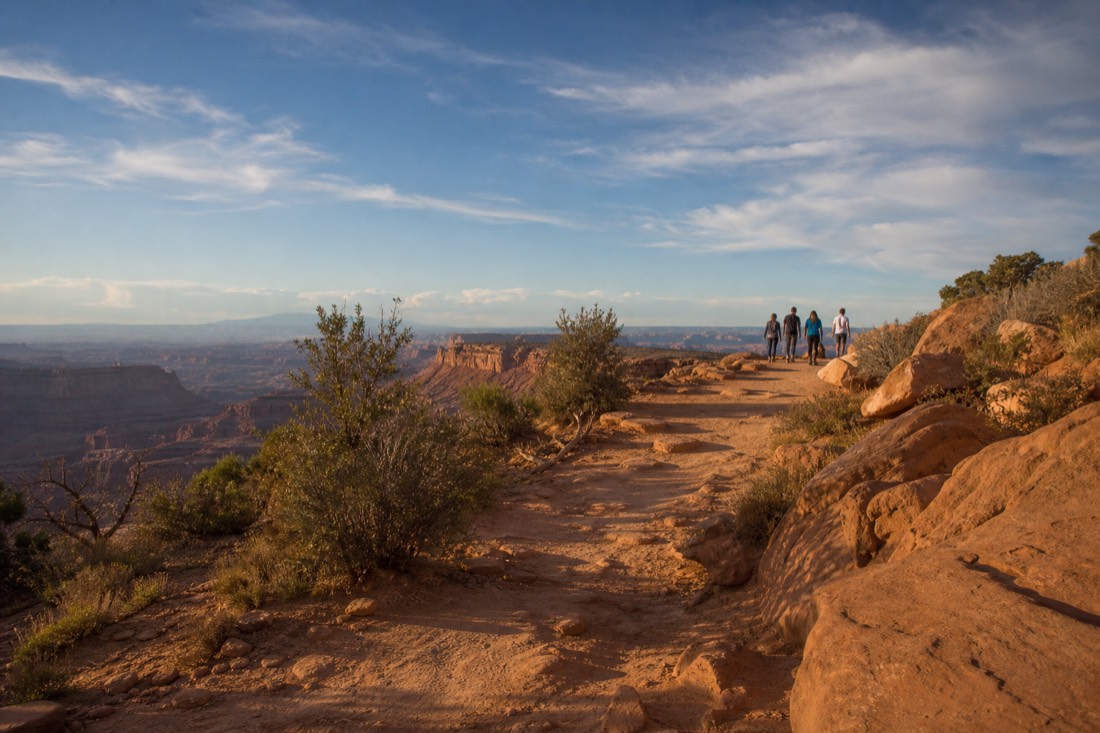
After, for a midday or morning canyon slot, because it sits on your route home and the afternoon light is better. Before, only when your canyon entry is mid-afternoon or later, and only if you leave the overlook with a full hour in hand for check-in. Never let the bend eat your buffer.
The overlook is the easiest add-on in the Southwest, and that is exactly why it causes trouble: it feels quick, so people squeeze it in before the entry and arrive at the check-in desk breathless. Here is the honest comparison for a Sedona day.
| Factor | Bend before the canyon | Bend after the canyon |
|---|---|---|
| Fits which slot | Afternoon entries only | Morning and midday entries |
| Light on the river | Flat and high by late morning | Warming through the afternoon, best late |
| Heat on the sandy walk | Building | Peak in high summer, easing by evening |
| Risk to your check-in deadline | Real; parking and the walk can run long | None, the entry is behind you |
| Crowds at the rim | Growing toward midday | Busy at sunset, thinner just before |
| Extra driving | None, it is on US-89 south of town | None, same stop on the way home |
The one thing both columns share is that the bend needs no booking, no guide and no timed slot, just the city-run parking fee per vehicle and about an hour. That flexibility is why it should bend around the canyon rather than the other way. The full Horseshoe Bend guide covers footing and shade; the short version for Sedona day-trippers is water in the car, water in your hand, and a hat.
If your canyon slot is late afternoon and you want the bend first, do it in the morning with a strict leave-by time written on your hand, then get lunch in Page, then check in early. Late-afternoon entries in high summer also mean the sandy walk at its hottest if you save the bend for after; on those days, before is the kinder order despite the deadline risk.
What should you book first for a Sedona day trip?
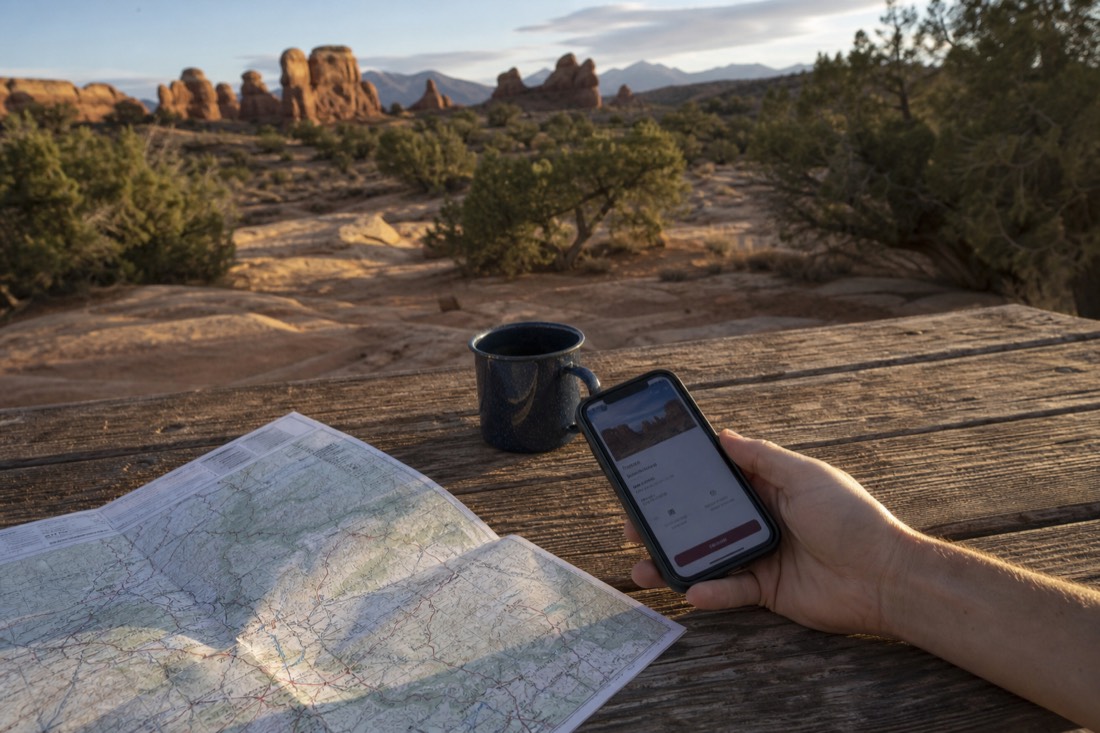
The canyon entry, before anything else, because it is the only piece of the day that can sell out. Then a rental car if you need one, then nothing: Horseshoe Bend, the dam overlook and lunch need no reservation. Read the cancellation window on the entry you pick, since the four sections differ sharply.
The order matters because the day has exactly one scarce resource. Everything else on the Sedona-to-Page run will take you whenever you show up. This is the sequence, with the lead times travelers report and the cancellation terms as the listings state them.
| Order | Booking | Lead time to plan for | Cancellation picture |
|---|---|---|---|
| 1 | Canyon entry with a Navajo guide | Months for peak midday dates, less for mornings and shoulder season | AACT on Viator: 24 hours; other options vary |
| 2 | Rental car, if you flew into Phoenix or Flagstaff | Whenever you book flights | Standard rental terms |
| 3 | Sedona lodging for the nights either side | Sedona's own peak calendar | Your hotel's terms; nothing canyon-specific |
| Not needed | Horseshoe Bend, dam overlook, Flagstaff and Page lunches | None | Pay parking on arrival, walk up for the rest |
Two notes on that first row. The cancellation windows are not trivia in monsoon season, July through September, when operators cancel entries off National Weather Service flood watches and refund as standard; a listing that lets you cancel a day out gives you a way to bail before the storm does it for you. And the lead time is honest: forum posters describe midday July entries at Upper selling out months ahead, with morning slots the last to go, so a same-week Sedona plan should aim at mornings.
For most Sedona travelers the first booking is Lower Antelope, covered earlier in this guide. If crowds are your priority and you want the quieter walk instead, the Canyon X page explains what you trade, and you can check live availability and prices on GetYourGuide for that one before you decide.
What is the return drive to Sedona like by season?
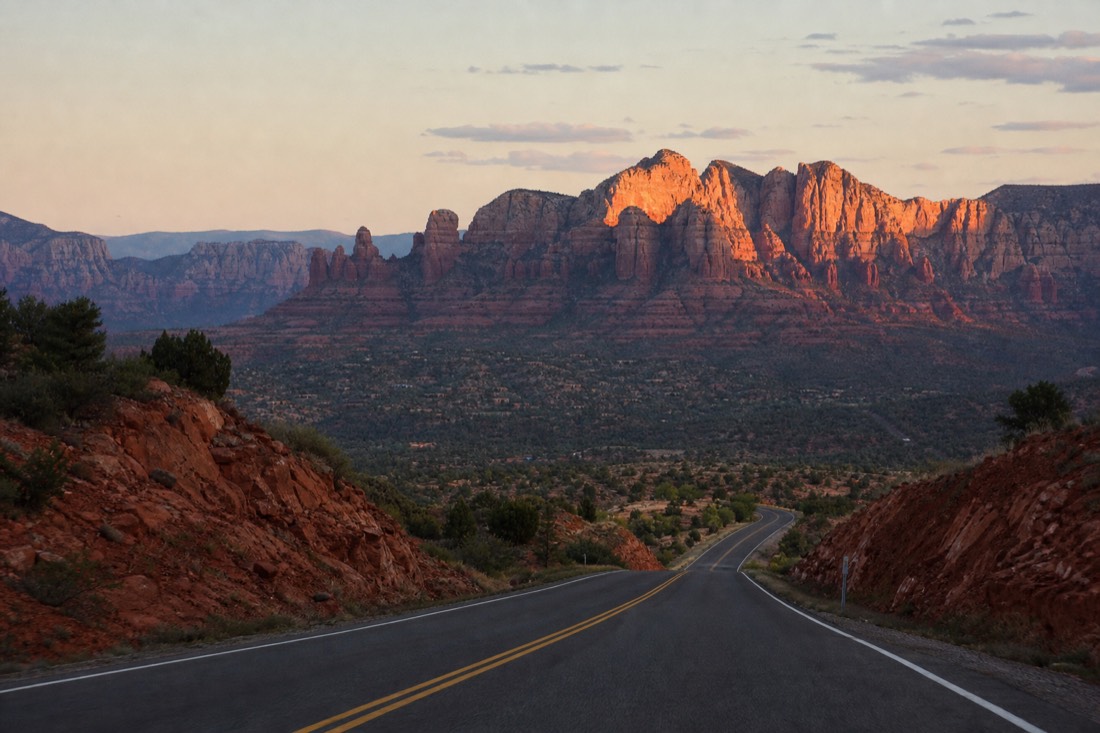
In late spring and summer you drive home in daylight most of the way, with monsoon cells the thing to watch from July into September. In fall and winter you leave Page in the last light and finish in the dark, so take I-17 down from Flagstaff instead of the Oak Creek switchbacks, and check for ice.
The drive up gets all the planning attention and the drive back gets none, which is backwards, because the return is when you are tired, the sun is low, and the roads are at their least forgiving. Here is how the seasons change the last three hours.
| Season | Daylight on the return | What to watch |
|---|---|---|
| Mar-May | Light for most or all of the run | Wind on the open US-89 stretch; livestock near the road on the Navajo Nation |
| Jun | Light all the way to Sedona | Heat fatigue; keep the water flowing after the canyon |
| Jul-Sep | Light, but afternoon storms build | Cells over US-89 and Oak Creek can flood washes fast; pull over rather than drive through moving water |
| Oct | Dusk around Flagstaff | Wildlife on 89A at dusk; the switchbacks are prettiest and slowest now |
| Nov-Feb | Dark from Cameron south | Ice on the Oak Creek switchbacks and the Flagstaff grade; use I-17 to the Village of Oak Creek |
The monsoon row is the one I would underline as a Navajo guide who lives with this weather. A storm you watched over the lake at lunch can be sitting on the highway by four, and a wash that was dry on the drive up can be running by the drive down. Water across a road is a stop, not a puzzle. Operators cancel canyon entries for the same storms, and if yours got scrubbed with a refund, treat that as your cue to be extra careful on the way home rather than to make up time.
Winter is simpler: the danger is ice and dark, both predictable. Fuel and eat in Flagstaff, take the interstate down, and let Oak Creek Canyon be tomorrow's daylight drive. The best-time guide covers what each season does inside the canyon; this table is only about getting home.
Do any guided day tours run from Sedona itself?
Sedona-based operators do run long day tours north, but the canyon walk itself is always led by an authorized Navajo guide no matter who drives. Most independent travelers find self-driving from Sedona easy, since the route is one highway with a Flagstaff pit stop.
Is the drive from Sedona harder than from Phoenix?
It is easier: about three hours each way against roughly four and a half from Phoenix, and you skip the low-desert heat. The Oak Creek Canyon stretch is slow but short, and everything past Flagstaff is open highway.
Can I do Antelope Canyon and Sedona's sights in the same day?
Treat the canyon day as its own day. With six hours of driving plus the walk and Horseshoe Bend, there is no meaningful Sedona time left. Give Sedona its own days on either side.
What should I bring for the canyon from Sedona?
Closed-toe shoes, water for the car and the walk, sun cover, and a phone or handheld camera. Big bags and tripods are not allowed inside, so the packing list is genuinely short.
Your next booking step
Antelope and Horseshoe Bend from Sedona
Have a travel date in mind? An 11½-hour round trip with Sedona-area pickup, a guided canyon visit, Horseshoe Bend and Cameron Trading Post. Check the date before arranging the rest of this part of your trip.
General starting point — confirm the exact party and date
Select a date to load the Viator schedule. Availability and final price are confirmed on Viator.
Check dates for Antelope and Horseshoe Bend from Sedona
Sedona/Village of Oak Creek city-limit hotels; send hotel details at least 72 hours ahead. Return to the same area. Ages 6+; moderate fitness and uneven walking. Lunch and tips extra; bring any required booster. Not recommended during pregnancy or with spinal/cardiovascular conditions.
Compare routes, adjust your plan & budget
Sedona to Antelope Canyon runs about three hours each way through Flagstaff and up US-89. How to time the entry slot, add Horseshoe Bend, and pick the right canyon. These are different experiences, not interchangeable admission tickets. All listed guiding is in English.
An 11½-hour round trip with Sedona-area pickup, a guided canyon visit, Horseshoe Bend and Cameron Trading Post. 690 minutes; English; from Sedona. Sedona/Village of Oak Creek city-limit hotels; send hotel details at least 72 hours ahead. Return to the same area. Ages 6+; moderate fitness and uneven walking. Lunch and tips extra; bring any required booster. Not recommended during pregnancy or with spinal/cardiovascular conditions.
Private transport linking Lower Antelope, Horseshoe Bend and the dam overlook from Sedona or Flagstaff. 600 minutes; English; from Sedona. Sedona or Flagstaff pickup; returns to the selected city. Canyon entry, food and gratuities are extra. Age policy not established: confirm children; conservative filter 8+. Walking and stairs remain.
A timed walk among Lower’s sculpted walls, with entry and the Navajo permit included. 60 minutes; English; from Page. Ken’s Tours, Lower entrance; arrive 30 minutes early. Return to the same site. Steel stairs and narrow passages; no bags or tripods. Not recommended during pregnancy or with spinal/cardiovascular conditions. Customer cancellation: full refund at least 24 hours before departure; reconfirm at checkout.
Upper’s beam corridor with a Navajo guide; fees and taxes included. 80 minutes; English; from Page. Adventurous Antelope Canyon Tours, Highway 98; arrive 30 minutes early. Return to the same base. Ages 8+; moderate fitness. Sandy walking and the outdoor stair/hill exit; no guaranteed beams. Not recommended during pregnancy or with spinal/cardiovascular conditions. Customer cancellation: full refund at least 24 hours before departure; reconfirm at checkout.
Affiliate links: we may earn a commission at no extra cost to you. Schedule dates are not confirmed seats.